
Gentaur Bvba, Lieven Gevaert
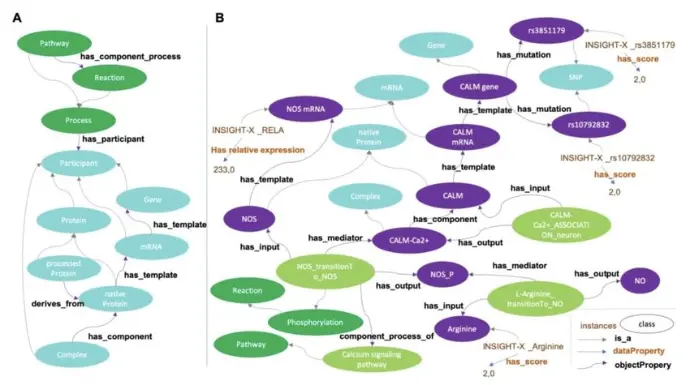
The Alzheimer’s Disease Ontology for Diagnosis and Preclinical Classification (AD-DPC) is a systematic knowledge framework designed to categorize all critical information about AD. Its main purpose is to:
Standardize terminology related to Alzheimer’s.
Organize disease-related concepts into clear categories.
Diagnostic Processes
AD-DPC includes all standard and emerging diagnostic methods:
Cognitive tests (e.g., MMSE, MoCA)
Neuroimaging (MRI, PET scans)
Biomarker analysis (cerebrospinal fluid, blood-based markers)
Genetic testing for risk factors like APOE ε4.
Alzheimer’s Disease Pathology
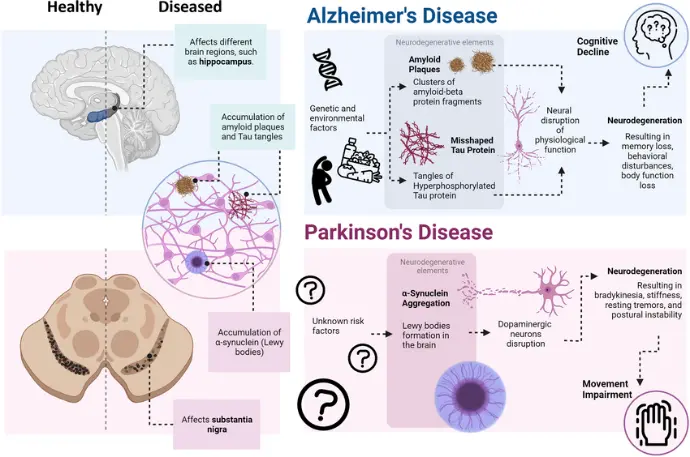
This section details the biological changes that occur in the brain, such as amyloid-beta plaque accumulation, tau protein tangles, and neuronal loss. Understanding these changes is critical for both diagnosis and the development of targeted therapies.
Alzheimer’s Disease Spectrum
AD does not appear overnight. The ontology outlines the disease’s stages:
Assessments and Measurements
This includes validated scales, clinical assessments, and experimental tools for evaluating cognitive decline and disease progression.
Symptoms
Organized by cognitive, behavioral, and functional domains:
Memory loss and disorientation
Language difficulties
Mood and personality changes
Impaired executive function
Clinical Findings
Captures additional observations relevant to AD, such as comorbidities (e.g., cardiovascular disease) and patient history.
Why AD-DPC Matters

Enhances Understanding Across Disciplines
Researchers, clinicians, and even caregivers benefit from a structured knowledge base that makes complex information more digestible.

Supports Data Integration
AD studies generate massive datasets from neuroimaging, genetics, and clinical trials. AD-DPC helps integrate these heterogeneous sources, enabling more robust conclusions.

Facilitates Better Decision-Making
Standardized terminology reduces miscommunication and errors, supporting accurate diagnosis and treatment planning.

Accelerates Research and Drug Discovery
By mapping relationships between disease markers, symptoms, and therapeutic targets, researchers can more efficiently identify promising areas for drug development.